
Lately, Civil Procedure has been bleeding into my thoughts more than I expected—especially the concepts of partial denial, absolute denial, and disavowal of knowledge. Funny how legal terms, meant for the cold structure of the courtroom, can mirror the chaos of real life so well.
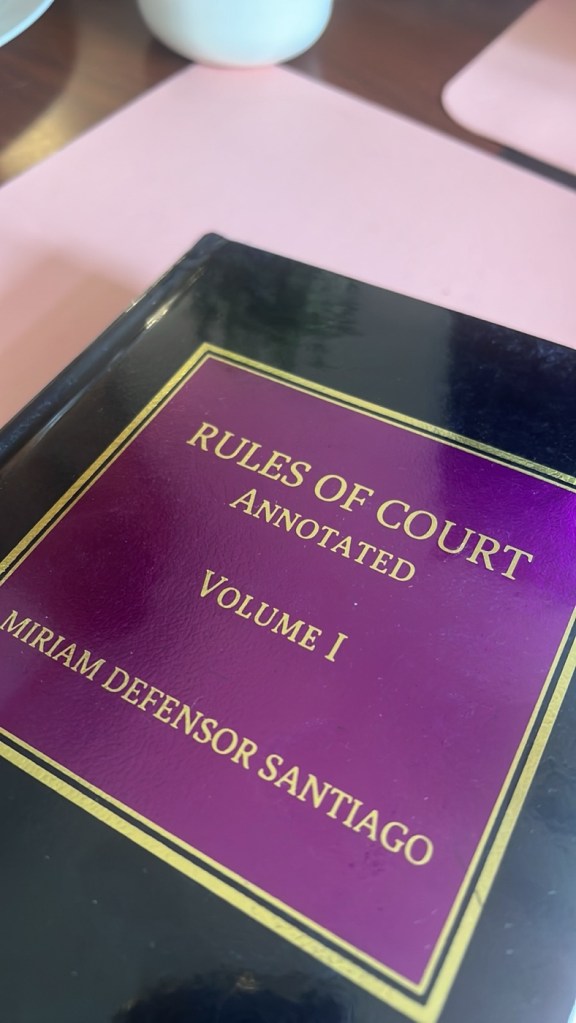
Legally, under Rule 8 (MANNERS OF MAKING ALLEGATIONS IN PLEADINGS) of the Rules of Court, as amended (2019), when someone responds to a pleading, they’re expected to either admit, deny, or claim they lack knowledge sufficient to form a belief about the truth of an allegation. These responses carry weight in the courtroom because each one shapes the course of justice. In life, though, people play with these concepts far more recklessly.
Partial denial happens when someone admits part of the truth but rejects the rest, acknowledging just enough to seem honest without bearing the full burden of their actions. In court, this limits the issues that need to be proven, but in life? It’s the kind of manipulation that leaves you questioning your reality. It’s hearing, “Yes, I hurt you—but not like that.” It’s an illusion of accountability that, in truth, chips away at trust because the denial of the full story feels like betrayal cloaked in half-truths.
Absolute denial, a flat-out rejection of any wrongdoing—mirrors the strategy defendants use to challenge an entire claim. In court, it forces the other side to prove every element of their case. In real life, though, it’s far more brutal. It’s someone pretending they didn’t break your trust, didn’t lie, didn’t hurt you. “That never happened.” The weight of proving your pain falls entirely on you. And what’s worse than knowing the truth but having someone deny it so thoroughly that it leaves you questioning your own memory?
Then there’s the disavowal of knowledge, where a party can state that they lack knowledge or information sufficient to form a belief about the truth of an allegation, effectively a non-admission that forces the opposing party to prove the claim. In life, it sounds like, “I didn’t know.” And maybe that’s true, sometimes. But more often, it’s a shield used to avoid responsibility. Ignorance might be legally valid, but in any relationships, may it be personal, social, legal, professional or even transactional, claiming not to know when you should have known can be just as destructive as outright lying.
It’s unsettling how these legal defenses mirror human behavior. In both courtrooms and life, trust is put on trial. Every relationship feels like a case where honesty is evidence and denial—whether partial, absolute, or claimed ignorance—can destroy the fragile foundation of trust.
Maybe that’s why I’ve built such high walls around myself. Not because I don’t want to trust, but because I’ve seen how easily denial no matter the form, can rewrite the truth. And yet, a small part of me still hopes to find someone who won’t plead ignorance, won’t half-admit mistakes, and won’t outright deny their actions. Someone who understands that honesty, like justice, requires courage.
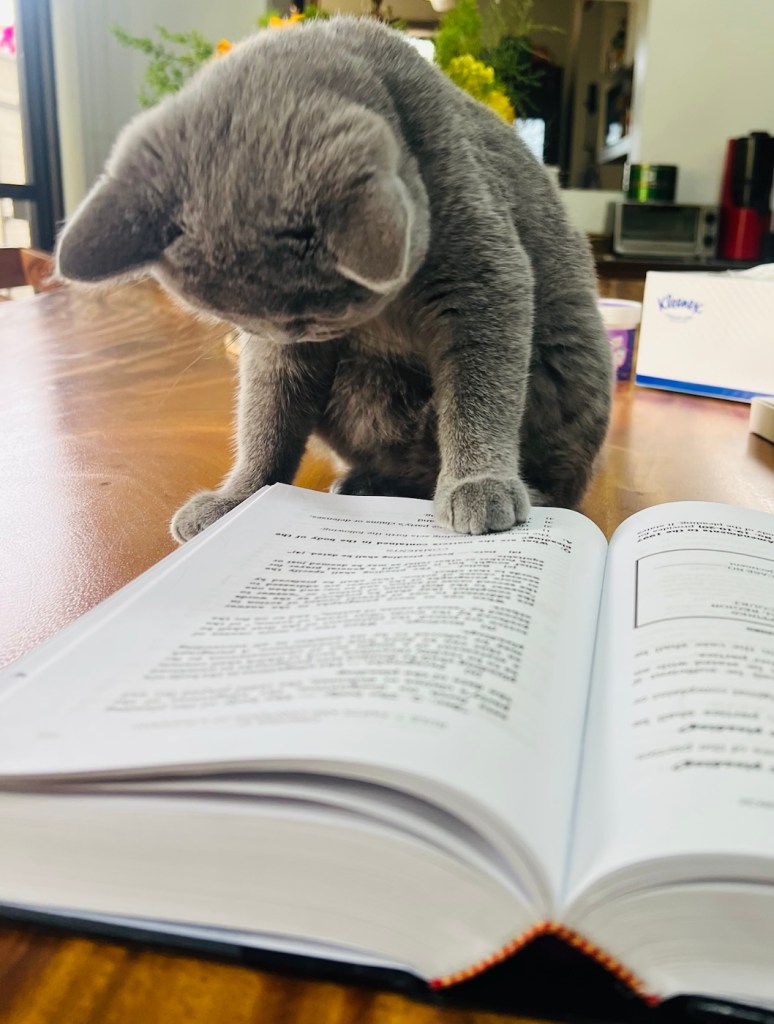
Until then, there’s Odin, silent, demanding, and honest in his own way. No denials, no lies. Just presence, and maybe that’s the kind of truth I need right now.

That’s all for today, your honor,
Ana 💋

 Love, Ana 💋
Leave a comment