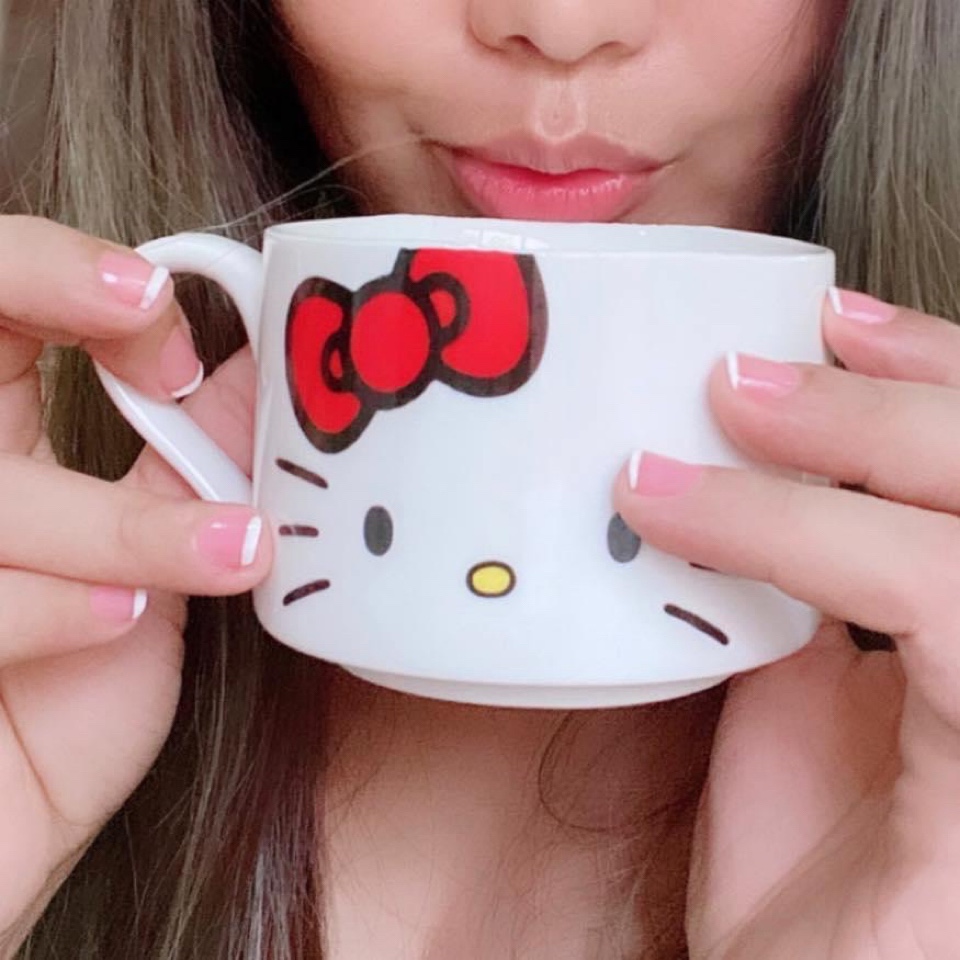
If there’s one skill I can brag about, it’s I can make my own coffee. Haha!
I’m not a pro and I must admit, I also go for instant coffee or the infamous 3 in 1 whenever needed. But if I’m not busy, I take coffee seriously. I have coffee dipper, french press, coffee maker, espresso machine to say the least.
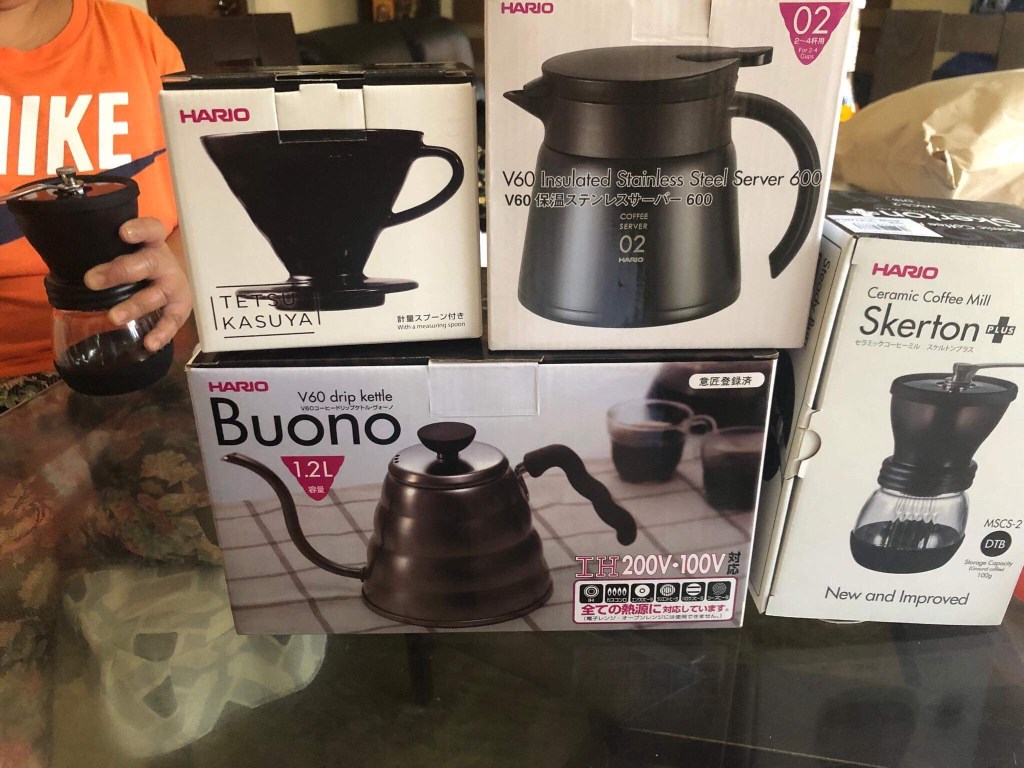
I invest in coffee making. Machines, kettles, mugs, creamer, different kind of sweetener, I’m addicted to it. Kinda weird but I feel like these will be a part of my surviving kit comes apocalypse. When you can’t do anything more but chill and brew a coffee. Lols.
I also wanna share that I have my own blend I purchase every 3 or 4 months from a local coffee bean supplier. Sounds mayabang ba? Actually, No. Because by doing so, I can make more tipid (wow, conyo!) than cafe hopping for a coffee that doesn’t really taste good. From that local shop I have the power to control how much robusta or arabica beans I would want for a blend for a cheaper price. I call it Maldita Blend, same blend we used before at Sophia’s Cafe. It’s worth it, a lot cheaper (I repeat!) actually compare to coffee beans we can purchase in the market or coffee shops.

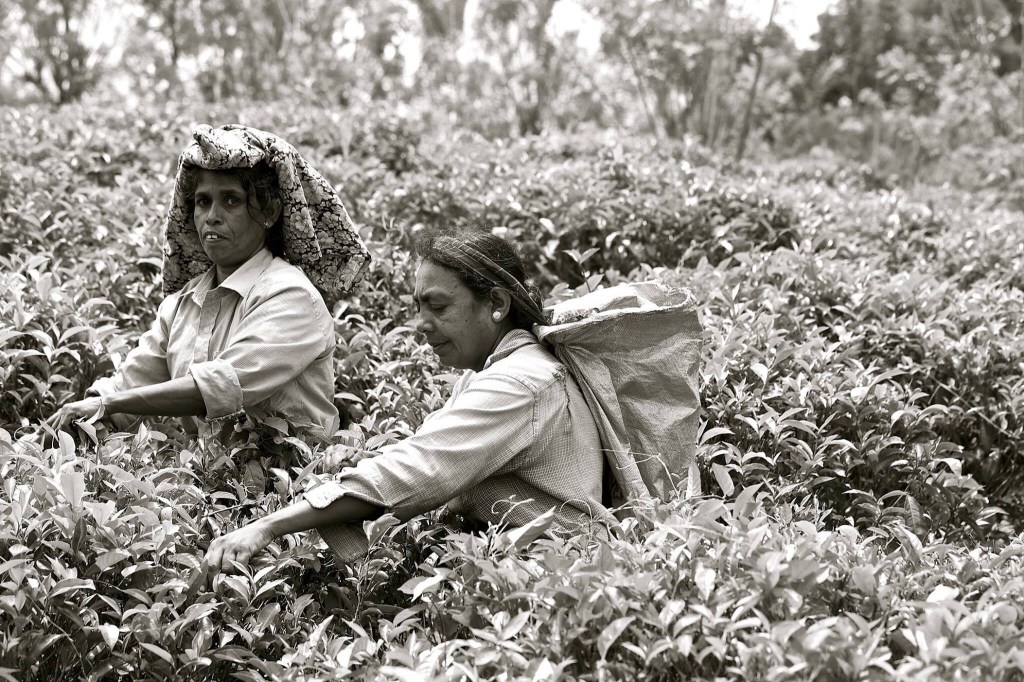
I love coffee (and tea) and my love for them has actually brought me to coffee plantations in Kintamani and Sri lanka and tried to learn about them. Well, don’t quite remember them all, but the taste of the java coffee, the Luwak and ceylon coffee still linger. The coffee culture experience is a lot better for me than a city day tour.


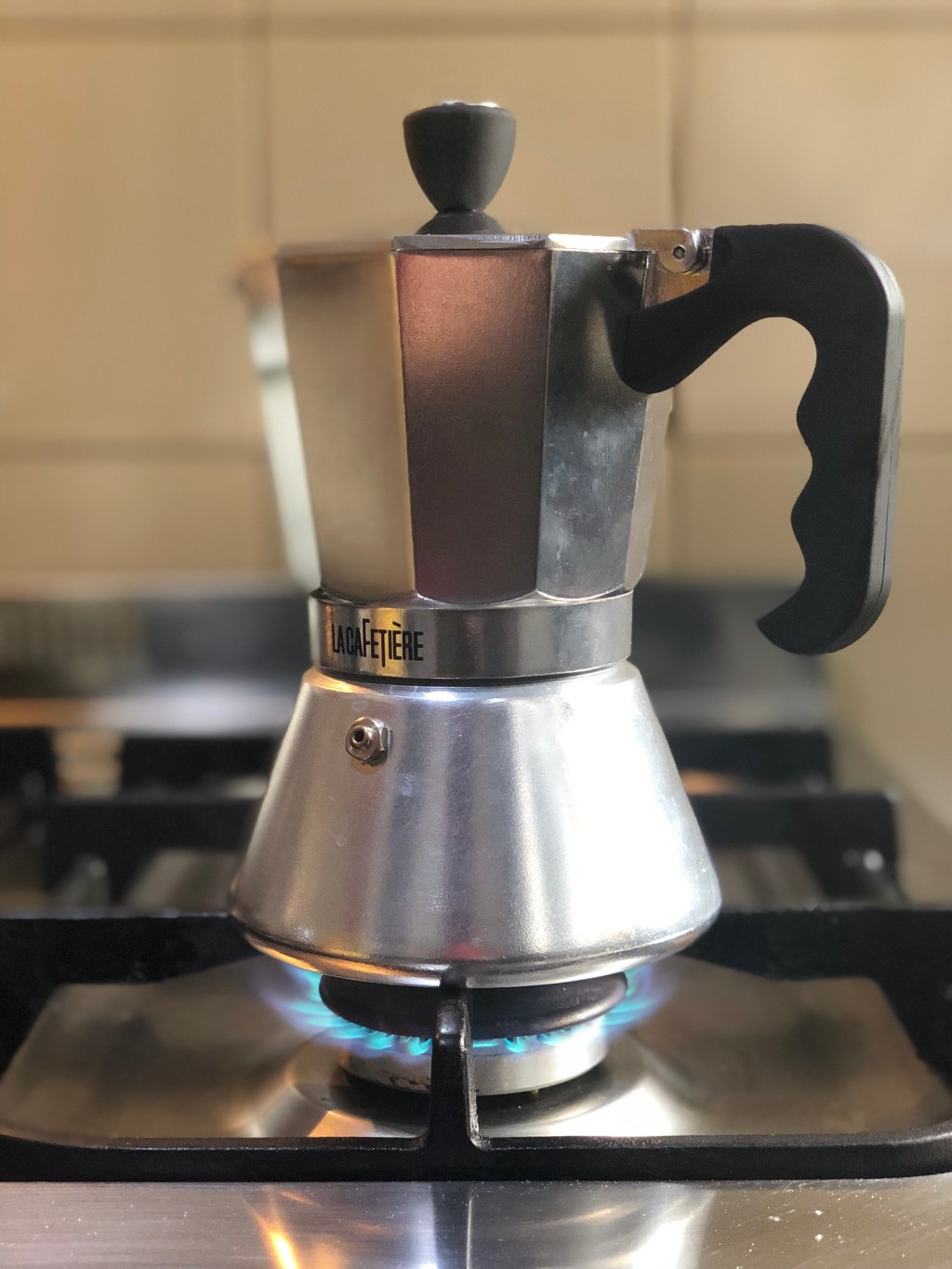
When do I drink coffee? Everyday. 2 times at least. And whenever I feel like going one notch above the instant coffee but with a little hassle from espresso machine or if I feel like wanting a more concentrated brew than from drip or french press, but thiner in texture than from espresso machine,
I go for Moka pot.
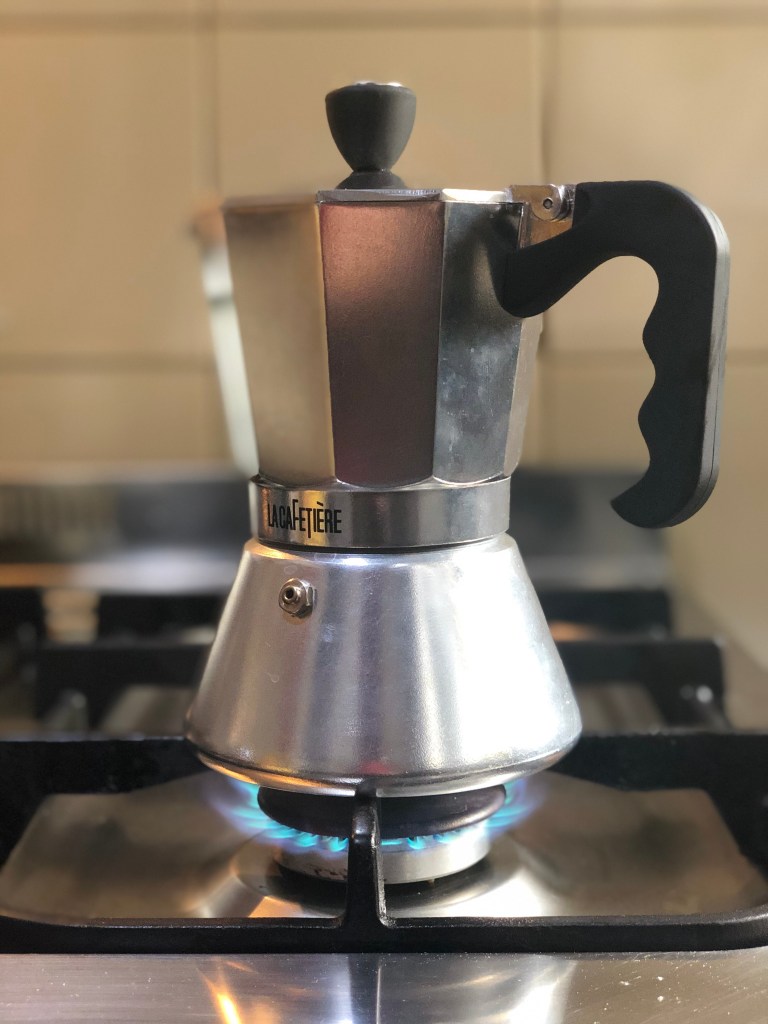

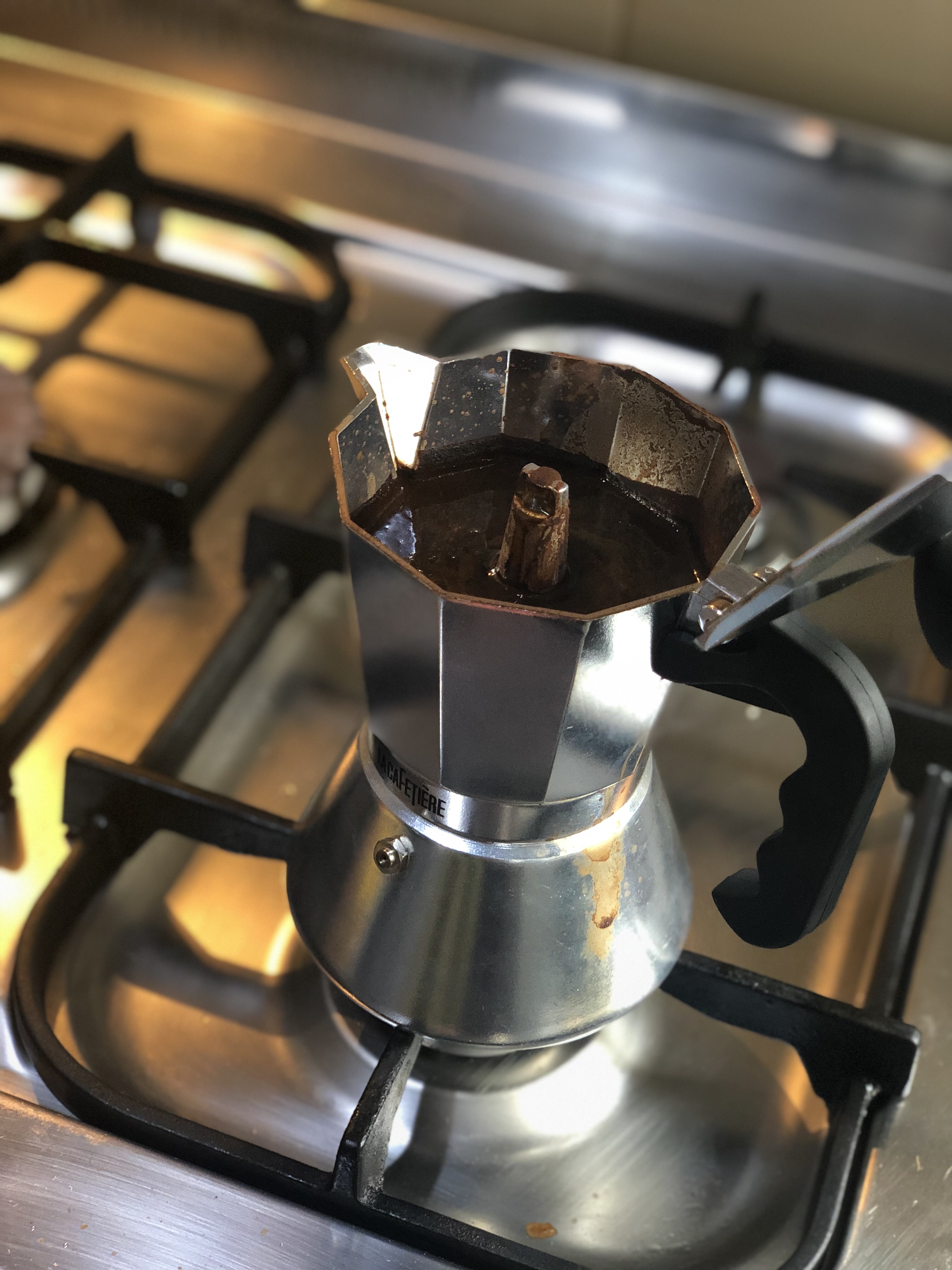
To give you a little history:
The Moka Pot was created in 1933 by Alfonso Bialetti. His stove top espresso maker revolutionized the preparation of espresso coffee, and is still the most popular way of making espresso at home. Especially in Europe. For those interested in the technical part: the coffee is prepared by creating steam pressure in the bottom chamber that forces hot water up through ground coffee and into the serving chamber. The steam pressure produces a smooth and creamy coffee with a distinctive frothy cap. Me, I just like to know that it makes an ah-mazing cup of coffee that even a novice can prepare!
I’ve learned from an Indonesian coffee farmer that good tasting coffee requires good quality water. Water should be clean and free of odors, colors, and off-flavors. It should have a neutral pH (neither acidic nor basic). Too much mineral content can cause coffee to suffer in quality, too much alkalinity can cause a soapy taste or residue, overly hard water can taste bitter or chalky, water with very little mineral content can cause all kinds of strange extractions and off-flavors, and can even cause corrosion on your equipment.
So I asked, which water is better then?
“Just use water that does taste very good on its own.”
***


 Love, Ana 💋
Leave a comment